Log in


Table of Contents
- Introduction
- Back Pain in America
- Types of Back Pain (Acute to Chronic Pain)
- 10 Common Causes of Back Pain
- Is CBD Good for Back Pain?
- How You Can Use CBD for Back Pain
- What is the Endocannabinoid System?
- CBD Oil for Back Pain
- Traditional Treatments for Back Pain
- The Most Effective CBD
- Full Spectrum CBD Products
- Getting Started With CBD? Here's What To Look For
- High Quality CBD Products from Cornbread Hemp
Introduction
Back pain is one of those universal experiences that brings folks together—but not in a way anyone wants. It's a significant problem for millions of Americans, sending many of them searching for relief from doctors, chiropractors, physical therapists, and just about anyone who might have an answer. Sometimes the cause is as clear as day; other times it's as mysterious as where you left your car keys. But nearly every time, it's downright debilitating.
Many people reach for over-the-counter pain medications to get through the day, and sometimes doctors prescribe more potent opioid medications for chronic pain management. But these all come with their own risks and side effects, leading many folks dealing with back pain to seek out safer, more natural solutions—like CBD.
Here at Cornbread Hemp, we understand that when your back's hurting, you want answers that make sense and solutions that actually work. So let's dig into how CBD works, what therapeutic benefits it offers, and whether you can use CBD for back pain relief.
Back Pain in America
Here's a number that might surprise you: 39% of American adults experienced back pain in 2019, according to the National Center for Health Statistics. That might not sound overwhelming until you realize it adds up to over 99 million people dealing with pain. And it gets worse with age—while only 28.4% of folks aged 18–29 reported back pain, that rate climbs steadily through each age group, reaching a staggering 45.6% for those 65 and older.
This tells us that back pain isn't just an individual problem—it's a national health challenge that affects how people work, sleep, and enjoy their daily lives. (1)
Types of Back Pain (Acute to Chronic Pain)
The National Institutes of Health categorizes back pain based on how quickly it shows up and how long it persists. Understanding these differences can help you figure out the best approach for pain relief: (2)
- Acute back pain hits suddenly and typically lasts anywhere from a few days to a few weeks. Think of that sharp pain when you lift something heavy the wrong way.
- Subacute back pain can sneak up on you or arrive all at once, lasting between one and three months. It's that in-between stage where you're not sure if you're getting better or worse.
- Chronic pain is the unwelcome houseguest that overstays its welcome—occurring daily and lasting longer than three months. This is where many folks start looking beyond traditional pain medications for relief.

10 Common Causes of Back Pain
Understanding what's causing your back pain is like finding the correct key for a lock—it's the first step toward finding a treatment that actually works. Here are the most common culprits:
1. Poor Posture
Bad posture is any physical position that is non-neutral or asymmetrical. Examples include:
-
Kyphosis (hunching with shoulders rounded forward)
-
Swayback (pelvis and hips tilted forward, lower back curves inward too much)
-
Forward head posture (as from cell phone use)
-
Poking chin (common among office workers whose chairs are too low for their desks)
These and other non-optimum physical positions can lead to weakness, stiffness, and undue stress on different parts of the back. (3) Over time, muscles may become stretched or shortened, or blood vessels and nerves may become constricted — all of which can cause back pain.
2. Muscle Strain
Sometimes it's as simple as overdoing it—heavy lifting, sudden movements, or pushing your body beyond what it's ready for can strain back muscles, resulting in discomfort and pain.
3. Spinal Issues
Medical conditions like herniated (slipped) discs, spinal stenosis (narrowing of the spine), and degenerative disc disease can cause pressure on the spinal nerves, which may lead to pain, weakness, or numbness. (4)
While herniated discs and spinal stenosis can occur anywhere in the spine, they are most common in the lower back. Disc degeneration is most common in the lower back and the neck.
4. Sciatica (Sciatic Nerve Pain)
The sciatic nerves run from the lower back on either side of the body, through the hips and glutes, and down the legs to just below the knees.
When a sciatic nerve gets pinched, inflamed, or damaged, it can cause pain in the lower back that radiates down the leg, as well as other symptoms. Typically, the pain in the leg will be worse than in the back. (5)
Herniated discs and stenosis of the spine are both common causes of sciatica.
5. Arthritis
Inflammation of joints, particularly in the spine, can cause arthritic pain that makes simple movements feel like a challenge.
6. Sedentary Lifestyle
Lack of physical activity can contribute to muscle imbalances and weaknesses, which may lead to back pain.
7. Excess Weight
Excess weight puts undue strain on the spine, which can lead to back pain over time.
8. Injuries
An accident involving impact (e.g., a slip and fall) can result in back pain. Even an injury to another part of the body, such as the hip, can result in overcompensation by the back, leading to discomfort and pain.
9. Stress
Stress can cause pain, tightness, or soreness in your muscles and even produce spasms of pain. Stress has also been found to raise levels of cortisol, and cortisol abnormalities (too much or too little) over a long period of time are considered the major hormonal problems in patients with chronic pain. (6,7)
10. Poor Sleep
Studies indicate that both inadequate sleep duration and poor sleep quality are associated with an increased risk of developing chronic pain.
Is CBD Good For Back Pain?
It's not uncommon for folks suffering from chronic back pain to become dependent on pain medications for relief. But prolonged use of these medications, even over-the-counter options, can cause other health issues and sometimes make the original problem worse.
CBD is a natural compound derived from the hemp plant that we've been growing here in Kentucky for generations. It's safe, non-addictive, and offers many potential therapeutic benefits for those dealing with back pain, especially pain associated with exercise-induced inflammation.
But before we get into all the ways CBD might help, let's talk about what CBD actually is and how it works with your body.
What Is CBD?
Hemp is one of two varieties of the cannabis sativa plant—the other being marijuana. Since hemp is federally legal and what we work with here at Cornbread Hemp, that's what we'll focus on.
The cannabis plant contains three main types of beneficial compounds:
- Cannabinoids (special therapeutic compounds)
- Terpenes (aromatic molecules that contribute to effects)
- Flavonoids (compounds that provide color, flavor, and additional benefits)
When it comes to cannabinoids, CBD and THC are the major players. While THC is known for producing the "high" effect, CBD is prized for its therapeutic benefits without the psychoactive effects. Think of CBD as the helpful neighbor who gets things done without making a big fuss.
How You Can Use CBD For Back Pain
Since hemp (and its extracts) became federally legal in 2018, interest in CBD has skyrocketed. We're still learning about all that cannabidiol can do. However, there are therapeutic benefits that CBD is known to offer. These include:
1. Relief from Aches and Pains
CBD, taken orally or topically, is effective at relieving aches and pains — especially those from exercise-induced inflammation. Those experiencing back pain from overuse can benefit from incorporating CBD into their wellness regimen.
2. Reduced Day-to-Day Stress
CBD is known to produce a calm, relaxing state and is often used to reduce stress from daily life. As stress can contribute to tension and back pain, reducing stress with CBD may provide some relief.
3. Healthy Sleep Support
CBD can support a healthy sleep cycle, which is essential when recovering from injury. Research strongly suggests that lack of sleep leads to cellular damage, and sleep restores balance and reduces cellular injury.(8)
4. Mood Support
CBD has been found to improve mood and is used by many to help them maintain a more level state of mind. This is important to consider when we consider how our mood can affect our perception of pain. According to several studies, positive emotions reduce pain in healthy individuals. (9)
So, how does CBD do it all? Through its interactions with the body's endocannabinoid system.
What Is The Endocannabinoid System?
The endocannabinoid system (ECS) is like your body's internal maintenance crew—a complex signaling system made up of cannabinoid receptors, enzymes, and endocannabinoids (compounds your body makes naturally).
- Endocannabinoids (from "endo-," meaning "within") are cannabinoid-like molecules produced within the body. Endocannabinoids bind to receptors to produce different effects throughout the body's systems.
- Enzymes break down endocannabinoids once they've performed their function.
The ECS plays a key role in regulating many vital functions, including mood, metabolism, immune response, and—most importantly for back pain—pain perception.
Here's where it gets interesting: cannabinoids like CBD are remarkably similar to the endocannabinoids your body makes naturally. But instead of binding directly to ECS receptors as THC does, CBD works more subtly. It inhibits the enzymes that break down endocannabinoids, allowing your body's natural compounds to work longer and more effectively. It's like CBD gives your natural pain-relief system a helping hand.
CBD Oil for Back Pain
Suppose you're looking specifically for CBD oil for back pain, CBD gummies for back pain, or topical CBD products for back pain. In that case, it's important to understand that while more research is needed to establish CBD's direct impact on back pain, high-quality CBD products may help bring relief by improving sleep, supporting mood balance, and alleviating aches and pains associated with exercise-induced inflammation.
Traditional Treatments for Back Pain
According to the Mayo Clinic, most people with back pain who treat it at home will experience relief within a month, especially those younger than 60. For others, however, the pain could last several months.
There are several tests your doctor may run to help determine the source of the pain, and the results will likely influence the treatment they recommend. (10)
CBD may be used alongside many of the at-home and professional treatments listed below to provide greater relief. Just remember to consult your doctor before starting a CBD regimen if you're currently taking any medications.
At-Home Treatments for Back Pain Relief
- Heat and cold therapy: Cold therapy (e.g., ice packs) is used to reduce inflammation and can help relieve acute pain. Heat therapy (e.g., a heating pad) helps to increase blood flow to an injured area and is suitable for pain or stiffness in muscles.
- Exercise and stretching: Regular physical activity and targeted stretching can help alleviate back pain. Specific yoga postures, as well as the strengthening of core muscles, are also effective methods of relieving lower back pain. (11,12)
- Mindfulness: Mindfulness-based stress reduction has been found to effectively reduce the severity of pain and improve the mental and physical quality of life for female patients with nonspecific chronic lower back pain. (13)
- Weight management: Overweight individuals can significantly reduce spinal stress and relieve pain by losing excess weight. While it may not be simple, maintaining a healthy weight can play an important role in pain management.
- Anti-inflammatory medications: Nonsteroidal anti-inflammatory drugs (NSAIDs) are commonly used to treat back pain. These drugs can help reduce inflammation and alleviate pain, and they may be recommended for arthritis pain or back conditions involving inflammatory and neuropathic pain. It's important to note that NSAIDS pose gastrointestinal, renal (kidney), and cardiovascular risks for patients with certain preexisting conditions. If you're taking NSAIDS or other medications, consult with your doctor before taking CBD.
Professional and Medical Treatments for Back Pain Relief
- Chiropractic care: A chiropractor will evaluate a patient's posture and may order X-rays to help determine the cause of the pain before administering manual adjustments to the spine. Chiropractic care can be a very effective method of treating pain for chronic pain patients.
- Physical therapy: While chiropractors address the bones of the back, physical therapists address the muscles. Physical therapy can be very effective and often includes exercises and stretches to promote flexibility and strength.
- Epidural Steroid Injections: Administered to reduce inflammation around the spinal nerves, lumbar epidural steroid injections may be used for chronic pain management in patients with certain types of chronic low back pain. Pain relief may be short-term, or it could last for a while, depending on the individual or the condition. Paralysis is a rare but serious complication associated with epidural steroid injections. (14)
- Surgery: In cases where conservative treatments for chronic back pain fail, surgical intervention may be recommended. Procedures vary, ranging from minimally invasive to more serious surgeries.
- Prescription Medications: While opioids may be prescribed in severe cases, healthcare providers and patients alike should exercise extreme caution. Opioids are heavily addictive and may lead to abuse. It's important to exhaust all other avenues of pain management before using opioids.

The Most Effective CBD
Hemp-derived CBD products aren't all created equal. Certain types of CBD are more effective than others, and it's essential to understand why that is so that you can get the most out of your CBD supplement. There are three basic types of CBD on the market.
- Full Spectrum CBD contains CBD, as well as a variety of other cannabinoids, terpenes, and flavonoids. It also includes a legal amount of THC (up to 0.3%). All of these cannabis plant compounds work together synergistically to maximize the benefits of CBD through the "entourage effect." The small amount of THC in full-spectrum CBD isn't enough to get you high, but it does contribute to the efficacy of the CBD.
- Broad-spectrum CBD is similar to full-spectrum CBD, except it doesn't contain any THC. It provides many of the same benefits, but it isn't quite as effective.
- CBD Isolate is pure CBD isolated in powder form. It contains no THC, no terpenes, and no flavonoids — it's just CBD. While CBD isolate has its benefits, it isn't as effective as either broad-spectrum CBD or full-spectrum CBD.
Full-spectrum CBD will produce the best results of the three types of CBD listed above.
Full Spectrum CBD Products
While CBD oil is the most popular form, there are several options to choose from. The best CBD product for you is the one that fits your lifestyle and makes it easy to maintain a consistent routine:
Full Spectrum CBD Oil
CBD oil combines full-spectrum hemp extract with a carrier oil, such as coconut oil. It has an earthy taste and comes in a glass dropper bottle for easy measuring. Place it under your tongue and hold for 30-60 seconds to allow some cannabinoids to absorb directly into your bloodstream.
Full Spectrum CBD Gummies
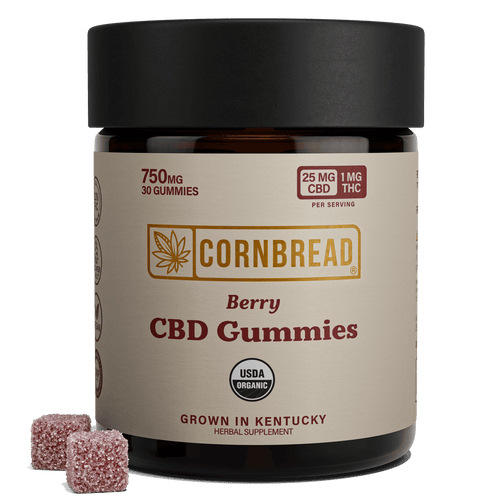
CBD gummies contain the same full-spectrum hemp extract in a tasty, chewable form. Each gummy contains a precise amount of CBD for easy dosing. They take longer to work because they pass through your digestive system, but their effects can last longer.
Full Spectrum CBD Capsules
CBD capsules are easy to take and dose, with no earthy flavor since you swallow them whole. Like gummies, they must pass through your digestive system before taking effect.
Full Spectrum CBD Topicals
Topical CBD products, such as creams, lotions, and balms, are applied directly to the skin for localized relief. They're handy for targeting specific areas of back pain and don't enter your bloodstream.
Getting Started With CBD? Here's What To Look For
With so many CBD products on the market, choosing your first CBD supplement can feel overwhelming. Here's what to look for to ensure you're getting a quality product:
Made From Organic Hemp
Hemp is excellent at absorbing things from soil—including contaminants and pesticides. To ensure your CBD is free from harmful substances, make sure it's derived from organic hemp.
Full Spectrum CBD
Full-spectrum CBD is the most effective type available. If you're looking for relief, it offers the greatest potential benefits.
Third Party Testing
The CBD industry is still relatively new and lacks comprehensive regulation. Reputable companies subject their products to rigorous third-party testing to ensure quality and accuracy.
Certificate of Analysis (COA)
A certificate of analysis is an official report showing the results of a lab test. It confirms the actual cannabinoid content and verifies the absence of contaminants. Always review a product's COA before you purchase it, and if a CBD supplement doesn't have one, don't buy it.
High-Quality CBD Products From Cornbread Hemp
When you're dealing with back pain, especially chronic back pain, the last thing you need is a supplement that overpromises and under-delivers.
We understand the importance of finding CBD you can rely on to support your health and well-being. That's why we're dedicated to providing high-quality, pure, and potent full-spectrum CBD products with the most significant therapeutic potential. Our full-spectrum CBD supplements are made from Flower-Only™ extract and are USDA-certified organic at every stage of production.
We utilize third-party lab testing and make our certificates of analysis available online, so you can see exactly what each product contains. From our Kentucky farm to your door, we control every step of the process to ensure you're getting the finest hemp-derived CBD products available.
Whether you're dealing with acute back pain from a recent strain or chronic pain that's been troubling you for months, our full-spectrum CBD products are crafted with the care and quality that comes from over 250 years of Kentucky hemp tradition. Shop now to experience the benefits of full-spectrum CBD.