Log in


Table of Contents
- What Does It Mean To Microdose THC?
- What Are The Benefits Of Microdosing THC?
- Microdosing Cannabis and the Endocannabinoid System
- Best Products For Microdosing THC
- How To Microdose THC
- The Bottom Line
If you’re familiar with THC, or tetrahydrocannabinol, you know that it’s the compound in the cannabis plant responsible for psychoactive effects. It’s the “high” we all associate with marijuana—the euphoria and the deep sense of relaxation and stress relief, among other effects.
Microdosing THC may help maximize the good parts of this experience while minimizing the psychoactive effects that can make it hard to concentrate and be productive.
It’s a practice that has people’s attention. Between 2015 and 2023, Google searches related to microdosing increased by 1,250%! And while microdosing is most strongly associated with psychedelic substances like mushrooms and LSD, it’s increasingly being applied to THC.
The thing is, cannabis is pretty personal. That means appropriate microdoses will vary from person to person. Luckily, the process itself isn't too challenging—you just need to know the best products and potencies for the job. In this guide to microdosing THC, we’re walking you through the benefits and best practices.
What does it mean to microdose THC?
Microdosing THC is exactly what it sounds like. It’s the practice of taking teeny tiny doses of THC, usually more than once in a single day, to enjoy its therapeutic benefits and minimize any chance of negative effects. That may be appealing to people who are brand new to cannabis and THC specifically, and those who are trying it again after a long break.
Since everyone responds to cannabis in their own way, microdosing is less an exact science and more of a trial-and-error process. The idea is to use the minimum amount of THC possible for desired effects—also known as a sub-therapeutic dose—and that varies for everyone.
It also begs the question, what is a standard dose of THC? Again, it varies, and there is no universal dosing standard. But there are generalities. Typically, a low dose ranges from 2.5 to 5 milligrams. For many people, a common starting point for microdosing THC is 2.5 milligrams per session, but for seasoned users, it can be a little more.
What are the benefits of microdosing THC?
The decision to microdose THC is personal. Some people are interested in its potential as a wellness treatment to support cognitive effects and mood. Others are simply interested in limiting any potential for a negative experience. THC has biphasic effects, meaning it can have opposing effects. In low doses, people might feel relaxed and at ease. In higher doses, however, THC can trigger anxiety and make it hard to concentrate. That’s why appropriate dosing is so important—and why microdosing is so appealing.
A mix of anecdotal evidence and some research suggests that microdosing THC may have potential benefits, including:
- Pain relief. A small clinical trial from 2020 found that microdosing THC (between .5-1 mg administered via inhalation on three separate test days) led to a significant reduction in pain intensity for patients with chronic neuropathic pain.
- Anxiety and stress reduction. Some people find that very low doses of THC have a calming effect without the feeling of sedation (known as “couch lock”) that’s common with higher doses. A double-blind human study from 2020 also determined that microdoses of THC effectively reduced stress without causing impairment.
- Relaxation and stress relief. A 2016 study looked at the effects of THC on responses to a stress test and found that low doses produced stress-relieving effects.
- Improved sleep quality. Some research suggests that microdosing cannabis may help ease insomnia symptoms for better sleep.
Regardless of what you're hoping to achieve, microdosing THC has another benefit—it's much more cost-effective than regular THC dosing!
Microdosing THC for specific benefits
Some people choose to microdose THC because they’re interested in very specific benefits, like relieving anxiety or depression, supporting sleep, or easing migraines. The success of microdosing cannabis for outcomes like these is pretty closely tied to individual factors, like your body weight, personal THC tolerance level, and metabolism.
With microdosing, effects generally build over days. That means you may need to microdose for a week or two before the benefits become noticeable. If you’re targeting specific conditions, here are some tips:
- Anxiety and stress relief. Remember those biphasic effects? Low levels of THC can ease anxiety, but too much can actually make anxiety worse. Consider a low-dose edible that includes a balanced ratio of THC to CBD, or cannabidiol, which can help keep anxiety effects in check.
- Better sleep. Timing is critical here. A low dose, taken an hour or so before bed, may be the key to promoting the relaxation you need to drift off.
- Pain relief. This is another scenario when a THC/CBD product works well, because CBD is associated with pain relief.

Microdosing cannabis and the endocannabinoid system
It's helpful to understand how microdosing cannabis interacts with the endocannabinoid system, or ECS. This system is responsible for maintaining balance in the body and regulates mood, appetite, stress responses, pain, inflammation, and sleep.
The ECS has three parts: endocannabinoids, receptors, and enzymes. THC is a plant-based cannabinoid, known as a phytocannabinoid, that functions similarly to the body's endocannabinoids. It binds to specific receptors in the ECS. With microdoses, the effect from the binding action is pretty mild, which is why you're more likely to experience positive effects like calmness, focus, and less anxiety.
We've already covered how too much THC can backfire and trigger anxiety. That's because it can overwhelm receptors in the ECS, which leads to anxiety, mental fogginess, and even builds a higher tolerance. With microdosing, the goal is to use the smallest amount of THC possible for the best experience and lowest possibility of negative side effects.
Best products for microdosing THC
Since precise dosing is really important for appropriately microdosing, THC products like tinctures and certain kinds of low-dose edibles work really well. Anything that's smoked or vaped will be tricky to precisely dose, so opt for cannabis products that make it easy to control your dosage.
Cannabis tinctures and sublinguals have the benefit of working quickly. They're absorbed directly into the bloodstream beneath the tongue, so effects are often detectable within about 15 minutes.
Microdosing THC edibles
Look for edibles that can be easily halved or quartered—again, dosing is key. You also want products with labels that clearly specify THC content in milligrams. You need to know how much THC is in a serving and what constitutes a serving so that you can adjust accordingly.
Be mindful that edibles, such as gummies, can be precisely dosed but have a long onset time. That means you'll need to be patient. Unlike cannabis products that are inhaled, edibles have to make their way through your digestive system before the THC can be metabolized in the liver. There, it's converted into a more potent form called 11-hydroxy-THC. Since this compound naturally produces stronger, longer-lasting effects, it's crucial to start with a very low dose if the goal is microdosing for subtle effects and minimal impairment.
In that case, start with 2.5 milligrams (or less!) and wait at least ninety minutes to allow plenty of time for digestion and metabolism before assessing how you feel.
As with any cannabis product, it’s smart to check the certificate of analysis, too. That’s the best way to confirm potency and double-check safety and quality (no one wants residuals like solvents or metals in their gummies!).
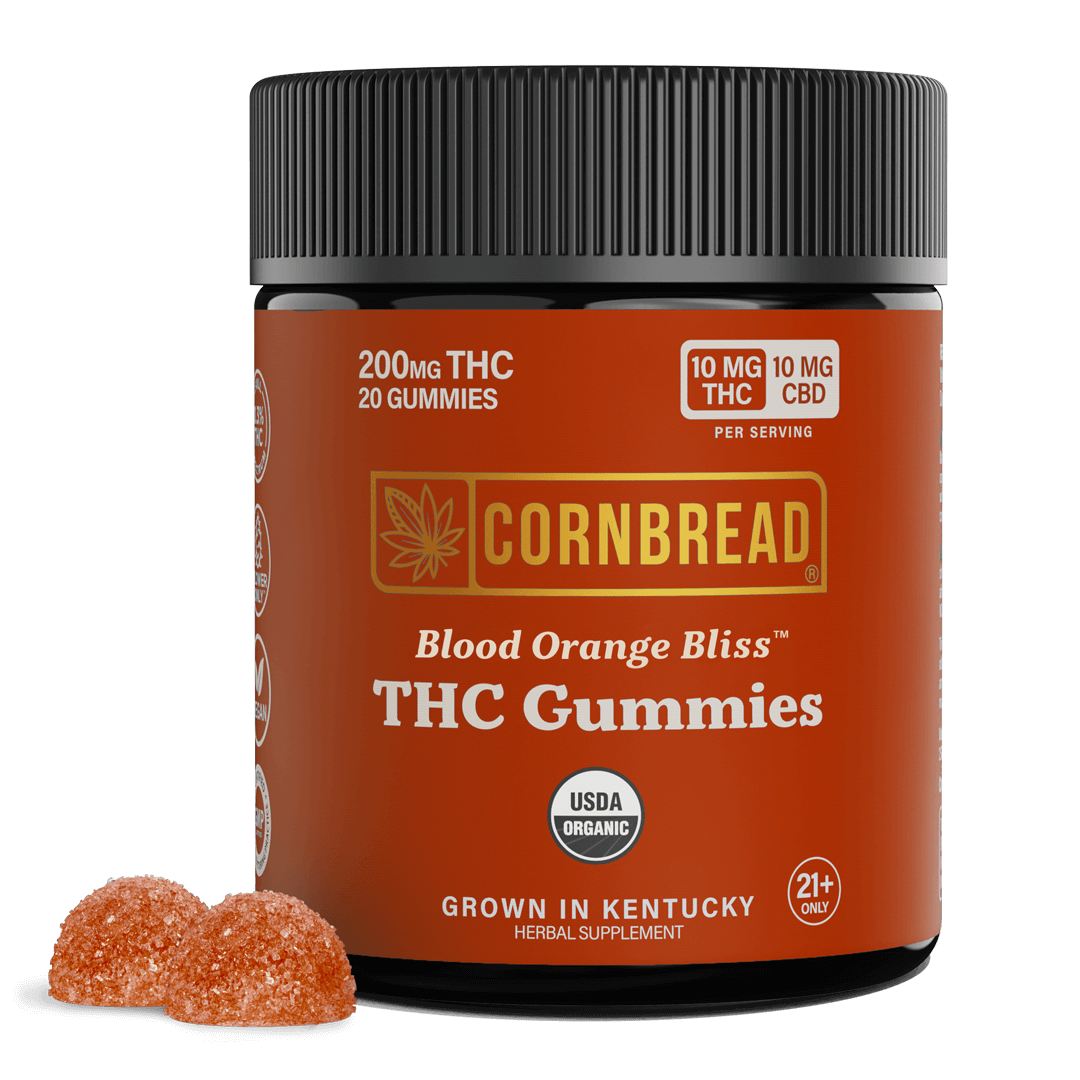
For the best effects, look for cannabis edibles made without artificial ingredients, preservatives, or high amounts of sugar. And for more balanced effects, you may also want a THC product that includes CBD. Cornbread Hemp THC Gummies have 10mg of THC and 10mg of CBD for a mellow, balanced effect.

How to microdose THC
We've already established that microdosing cannabis products takes some trial and error. But the same approach recommended for cannabis as a whole applies here too—start low and go slow.
By taking small amounts, you have the best chance at finding the sweet spot of desired effects with little to no unwanted side effects. Here's what to keep in mind when you're microdosing cannabis.
Choose a consumption method
Step one is figuring out how you'd like to consume your microdose of THC. Many people find low-dose edibles appealing, like Cornbread Hemp THC Gummies. Each gummy can be cut in half or even quartered, turning the 10mg dose into a 5mg or 2.5mg dose for a more tailored experience.
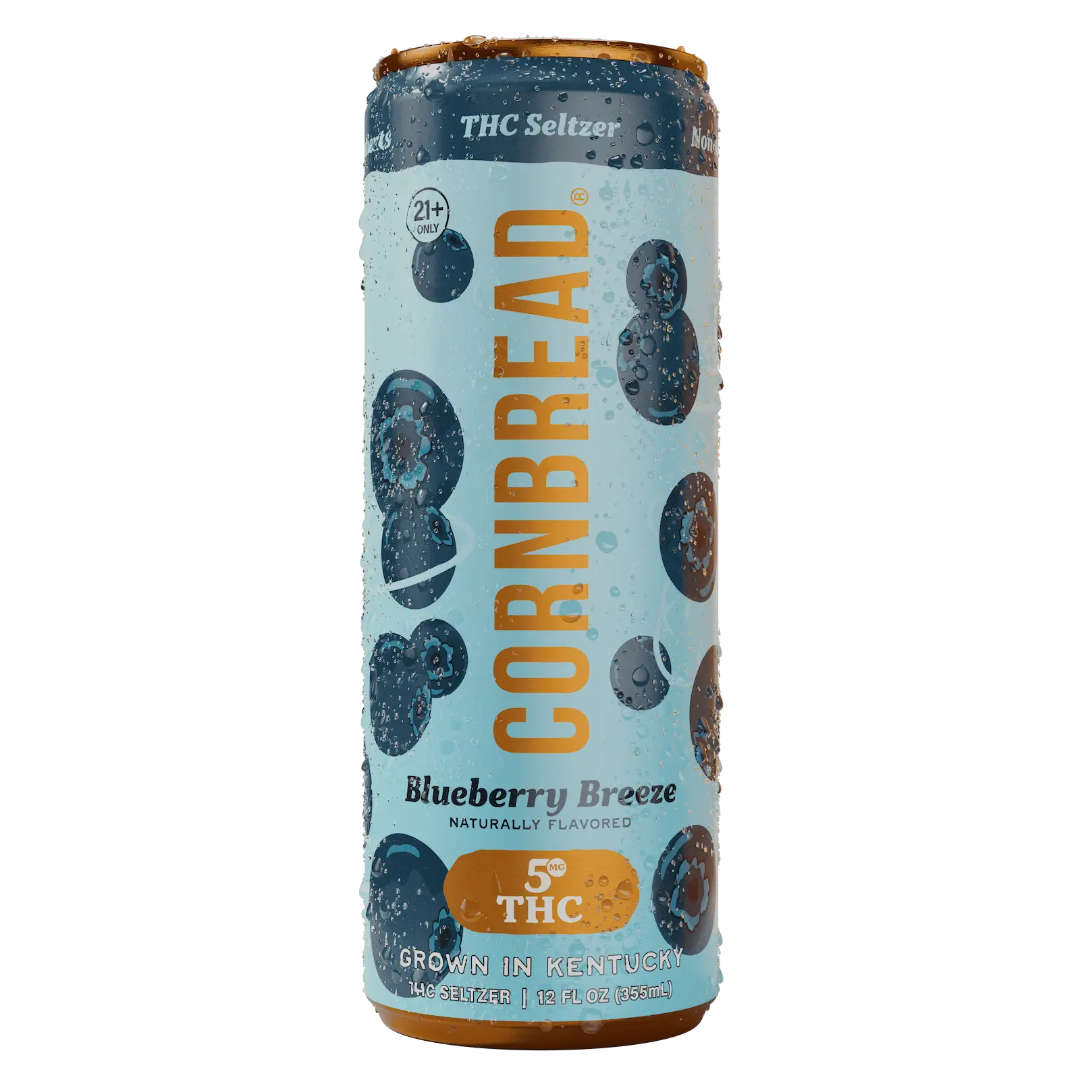
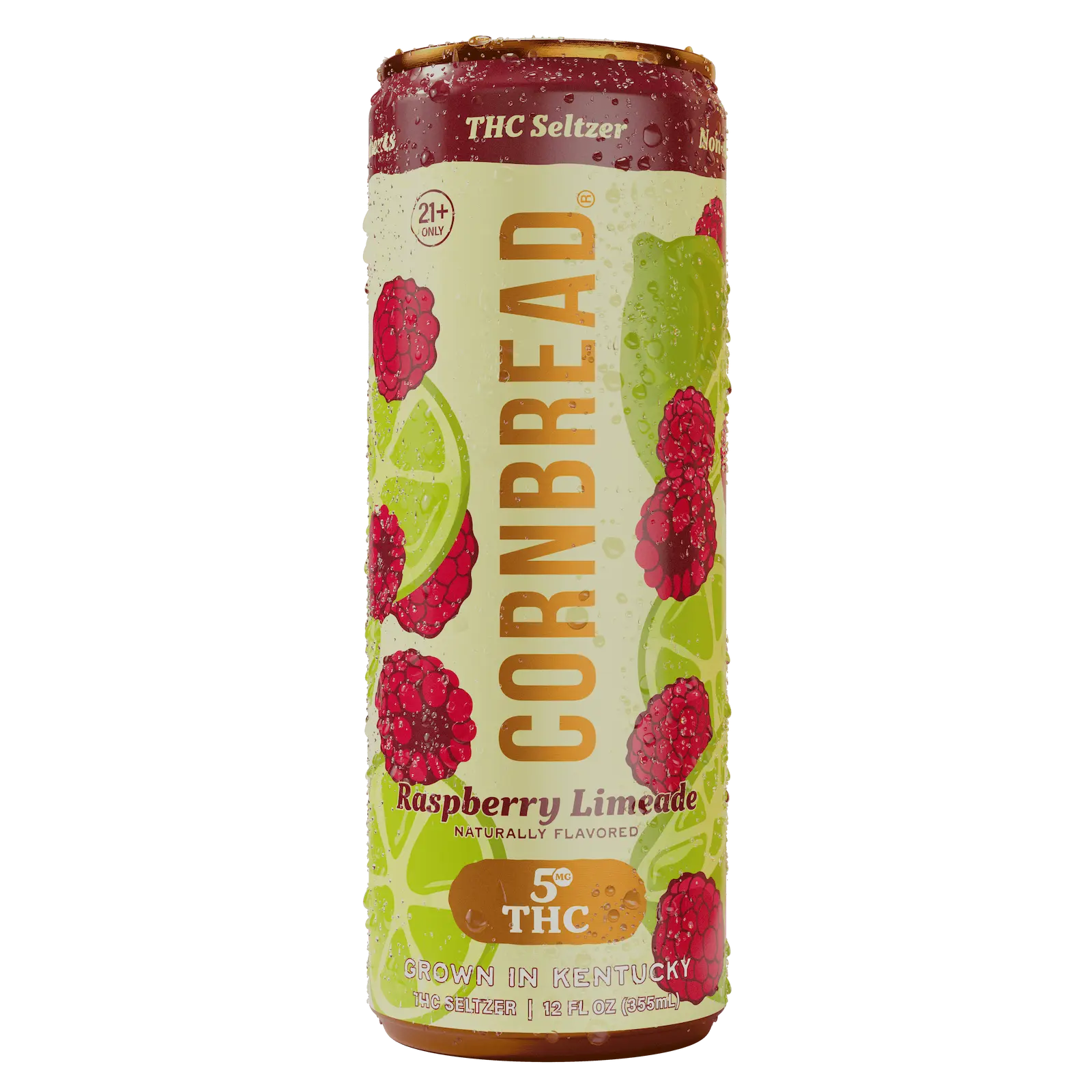
Another option? Cornbread Hemp THC Seltzers, which have 5mg of THC per can. THC beverages are metabolized much faster than traditional edibles, so you can sip half a can and expect to feel something within about 30 minutes.
Determine your microdose
If you're new to microdosing, remember that the point is to use the lowest possible amount of THC for desired effects. Start with a very low dose, assess the results, and gradually increase the dose until you find what works for you. Avoid stacking your dose too quickly. Remember that too much THC will backfire and make the whole experience moot, so plan on spending at least a few days figuring out an appropriate dose.
If your first microdose has no effect, try again in a day or two with a slightly higher dose. Pro tip: Many microdosers follow a schedule that alternates microdosing days with rest days. You can decide what works best for you, but starting with one day on and two days off can be a good approach. Following a cycle like this can help maintain your tolerance level and make the effects more noticeable.
Track the effects
When you microdose THC, the best experience is feeling subtly relaxed, uplifted, and focused, with less pain. In fact, you may not really feel anything specific—just an overall sense of being calmer, clearer, and more balanced. You shouldn't feel sleepy, anxious, or foggy-headed. If that's what you're experiencing, you need a lower dose.
It's helpful to keep track of exactly what you're feeling in a journal. Jot down the date, your dosage, what time you took it, when the effects kicked in, and how long they lasted. Keeping this information in a journal can help you find the optimal microdose.
Remember that the setting can significantly influence the experience, so it’s best to microdose at home, at least initially.
The bottom line
Microdosing cannabis is a less-is-more approach focused on all of the benefits of THC and, ideally, none of the potential drawbacks. That's appealing to everyone, but especially those who are new to cannabis and THC in particular. Using smaller doses of THC can also sidestep the issue of building a tolerance.
Just remember that everyone is different, which means your ideal microdose is personal. Your own cannabis history, your personal tolerance level, your metabolism, and the potency and type of cannabis product you use will all play a role in figuring out an ideal microdose. The key is to start with a low dose and gradually increase it to find the sweet spot.
Before microdosing cannabis, check local laws to ensure you're following the law. In some states, only medical marijuana patients have the option to microdose legally.